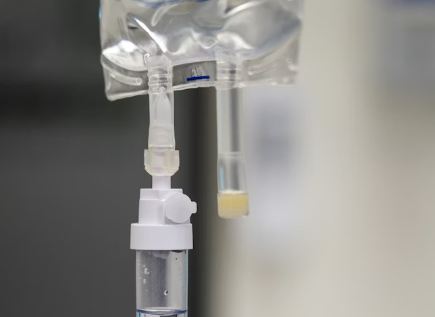
The need for practical and efficient healthcare services is increasing, especially in large cities and tourist areas. One of the most sought-after home service IV drip. Without having to queue at a hospital or clinic, patients can now receive hydration and medical care directly from the comfort of their hotel room, villa, or home.
However, even though it is performed outside of a conventional medical facility, the standard procedures applied must remain high. Patient safety is a top priority, which is why this procedure must be performed by professionals in the field.
Home Service IV Drip Performed by Professional Medical Personnel
Inserting a needle into a vein (cannulation) is not a trivial procedure. It requires technical expertise and in-depth medical knowledge to minimize risks. Professional medical personnel, such as certified nurses or doctors, ensure that every step is carried out in accordance with international health protocols.
Finding the correct vein, especially in patients with severe dehydration, requires extensive experience. Professionals ensure that all equipment used is single-use and sterile to prevent cross-infection. Monitoring the patient’s reaction during the infusion of fluids is essential to prevent the risk of allergies or other complications.
Stages of an IV Infusion Procedure at Home
A reputable home service IV drip will follow strict standard operating procedures (SOPs), similar to hospital standards:
Initial Consultation and Assessment
Before the procedure is performed, medical personnel will conduct a brief interview regarding the patient’s complaints, allergy history, and check vital signs such as blood pressure and heart rate. This aims to determine the type of fluid and dosage of vitamins or medications that are most appropriate for the patient’s needs.
Sterile Equipment Preparation
Medical professionals will prepare an IV kit consisting of an atraumatic needle (to minimize pain), IV tubing, and a tightly sealed container of fluid. The patient’s surroundings will also be ensured to be clean to ensure a hygienic procedure.
Safe Injection Procedure
Using precise technique, a nurse will insert the needle into the vein. Once the fluid is flowing smoothly, the needle will be removed, leaving a small, flexible plastic catheter in the vein, allowing the patient to comfortably move their arm during the infusion.
The infusion process typically takes 45 to 60 minutes. During this time, medical personnel will remain at the patient’s side to monitor the drip rate and ensure their comfort.
Home service IV drip are a modern solution for healthcare. However, always choose a provider that is officially licensed and employs licensed medical personnel. The procedure is performed by professionals in the field, ensuring it is safe, comfortable, and effective.
The need for practical and efficient healthcare services is increasing, especially in large cities and tourist areas. One of the most sought-after home service IV drip. Without having to queue at a hospital or clinic, patients can now receive hydration and medical care directly from the comfort of their hotel room, villa, or home.
However, even though it is performed outside of a conventional medical facility, the standard procedures applied must remain high. Patient safety is a top priority, which is why this procedure must be performed by professionals in the field.
Home Service IV Drip Performed by Professional Medical Personnel
Inserting a needle into a vein (cannulation) is not a trivial procedure. It requires technical expertise and in-depth medical knowledge to minimize risks. Professional medical personnel, such as certified nurses or doctors, ensure that every step is carried out in accordance with international health protocols.
Finding the correct vein, especially in patients with severe dehydration, requires extensive experience. Professionals ensure that all equipment used is single-use and sterile to prevent cross-infection. Monitoring the patient’s reaction during the infusion of fluids is essential to prevent the risk of allergies or other complications.
Stages of an IV Infusion Procedure at Home
A reputable home service IV drip will follow strict standard operating procedures (SOPs), similar to hospital standards:
Initial Consultation and Assessment
Before the procedure is performed, medical personnel will conduct a brief interview regarding the patient’s complaints, allergy history, and check vital signs such as blood pressure and heart rate. This aims to determine the type of fluid and dosage of vitamins or medications that are most appropriate for the patient’s needs.
Sterile Equipment Preparation
Medical professionals will prepare an IV kit consisting of an atraumatic needle (to minimize pain), IV tubing, and a tightly sealed container of fluid. The patient’s surroundings will also be ensured to be clean to ensure a hygienic procedure.
Safe Injection Procedure
Using precise technique, a nurse will insert the needle into the vein. Once the fluid is flowing smoothly, the needle will be removed, leaving a small, flexible plastic catheter in the vein, allowing the patient to comfortably move their arm during the infusion.
The infusion process typically takes 45 to 60 minutes. During this time, medical personnel will remain at the patient’s side to monitor the drip rate and ensure their comfort.
Home service IV drip are a modern solution for healthcare. However, always choose a provider that is officially licensed and employs licensed medical personnel. The procedure is performed by professionals in the field, ensuring it is safe, comfortable, and effective.