
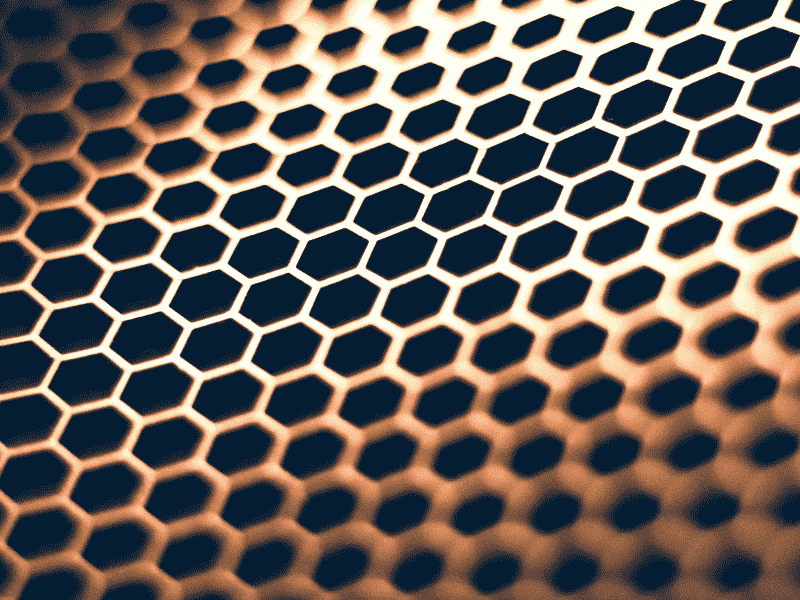
Graphene is a superior material. This is because it has many benefits in life and is already quite popular.
Its presence is widely utilized in various industrial fields. The applications of graphene are quite numerous, so it’s no surprise that it’s known as a super material.
The Applications of Graphene
There are still many people who may not be aware that there are many materials on Earth that are very beneficial. Each material has its own uses.
What happens if there is a material that is very special because it can be used well? Graphene is a revolutionary two-dimensional (2D) material.
This material is composed of a single thin layer of atoms. The atomic layer is arranged in a hexagonal lattice, much like a honeycomb.
Because it consists of only one atom, this material is also known as the thinnest material in the world. Nevertheless, graphene is far stronger than steel.
This material is also known for being quite flexible and an excellent conductor of electricity and heat, which makes it applicable in various industries.
Characteristics and Properties
Because this material has a two-dimensional structure of nanoplatelets, it has special characteristics and properties. This material has compounds with an exceptionally high aspect ratio.
The material has a large surface area with low density. Ultimately, this material has interesting properties. First, graphene has optimal optical properties. This material has the unique ability to absorb 2.4% of white light. This makes its optical properties so impressive. Its ability to do this is very unusual, considering its thickness is only one atom.
Not only that, but the electronic properties of this material are also excellent. As a result, it can be an efficient optical material.
Application Potential
In fact, this material has a wide range of potential applications in various fields. The first potential lies in batteries.
This material is already widely used to make lighter but more durable batteries. Batteries made from this material can charge faster than the lithium-ion batteries currently in widespread use.
The second potential application is creating touchscreens for smartphones. This material will help smartphone touchscreens become more flexible and transparent, while remaining responsive.
In fact, this material can also be applied to other equipment, such as tennis rackets, golf clubs, and even bicycles. That’s all, thanks to its lightweight characteristics and strong durability.
That’s the application of graphene in life, which turns out to be quite common. However, this material is expensive to mass-produce, which presents a challenge.